
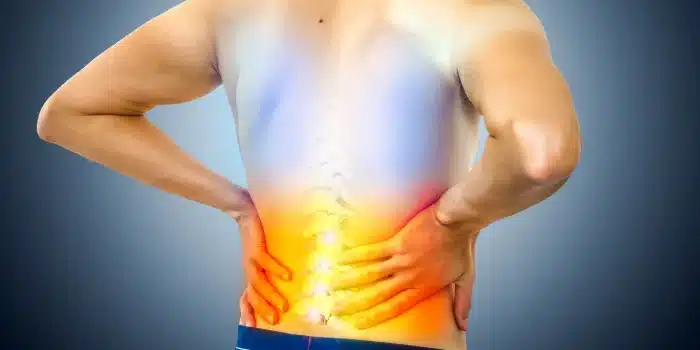
Sudden back pain can be scary, but most episodes improve with calm, smart steps. Find a position of comfort, use ice or heat safely, keep gently moving, avoid obvious aggravators, and know when it is time to see a physical therapist or manual therapist.
That “oh no, my back” moment
You bent to grab a weight, reached for a ground ball, or sneezed a little too enthusiastically, and your back let you know it was not thrilled.
That sudden grab of pain is common in active people. Most acute low back episodes are not dangerous, even though they can be intense. Studies from major health organizations report that many people experience back pain at some point in life, and most improve with simple, conservative care.
The goal in the first hours and days is not to “fix everything” but to calm things down, keep you moving safely, and set you up for a smooth return to activity.
Step 1: Do not panic, find a position of comfort
Your back is full of sensitive tissues, but it is also strong. Pain does not always mean serious damage, especially if it came on with a simple movement rather than a major accident.
Start by getting into a position of comfort so your muscles can relax a bit.
Try these positions of comfort
Everyone is different, but these positions often feel better for a fresh back injury:
- On your back with your lower legs supported on a chair or couch so your hips and knees are bent about ninety degrees
- On your side with a pillow between your knees and a small folded towel under your waist if there is a gap
- Semi reclined in a chair with your feet supported and a small rolled towel behind your lower back
Spend a few minutes in any position that takes the edge off. If you notice your pain ramping up, change position rather than forcing yourself to stay there.
If you can tolerate it, very short easy walks around your home can help keep stiffness from building.
Ice vs heat: which should you use on a new back injury
This is one of the most common questions in the clinic. Good news, you probably will not ruin anything with your choice. Research suggests that both ice and heat can help short term comfort, and neither one magically heals tissue.
When ice might help
Ice can calm sharp, hot, or throbbing pain, especially in the first couple of days. If you choose ice, place a thin cloth between your skin and the cold pack and limit use to about ten to fifteen minutes at a time. Give your skin a break between sessions.
When heat might help
Heat can be great if your back feels stiff and guarded, especially after the first day or two. A warm shower or a heating pad on a low setting can help muscles relax. Again, ten to twenty minutes is usually enough, and you want the heat to feel pleasantly warm, not like a branding iron.
The simple rule
If one option clearly feels better, use that one. If neither feels great, you do not have to use them at all. Comfort is the goal.
What about anti inflammatory medication and other pain relievers
Medication can be helpful for some people, but it is not the only solution and it is not right for everyone. Common options include nonsteroidal anti inflammatory drugs and acetaminophen.
Important reminders:
- Always follow the guidance of your doctor or pharmacist
- Check for allergies, other medications you take, and medical conditions like stomach issues, kidney or liver problems
- Do not exceed the recommended dose on the bottle or from your provider
- Do not mix multiple medications that contain the same ingredient
If you are an athlete who is used to training through discomfort, be careful not to use medication just to mask pain so you can push through hard sessions. Pain is information, and in the first days after hurting your back that information is useful.
If you have questions about whether a specific medication is safe for you, talk with your primary care provider or pharmacist before you take it.
Moving back toward upright safely
In the past, people were often told to stay in bed for days when their back hurt. We now know that long stretches of bed rest can actually slow recovery for most types of back pain. Gentle movement, within your comfort zone, usually helps.
A simple progression toward upright
You can think about it like a slow warm up for your back:
- Start in your most comfortable lying position and take a few relaxed breaths
- Roll onto your side as a bridge between lying and sitting
- Use your arms to help push yourself up to sitting on the edge of the bed or couch
- From sitting, stand up using your legs and arms together, and pause for a moment to see how your back feels
- Take a short, easy walk inside your home
If standing or walking sharply increases your pain or sends pain strongly down your leg, back off a step and stay in the position that is more comfortable. Try again later that day or the next day.
Things to avoid in the first few days
You do not have to wrap yourself in bubble wrap, but some smart limits early on can prevent extra irritation.
Try to avoid:
- Heavy lifting, especially from the floor
- Repeated deep forward bending, for example clearing heavy snow or marathon yard work
- Long periods in one position, either sitting or lying down
- New intense workouts or trying to “test” your back with maximal lifts or sprints
Your goal is to keep the pain in a manageable range while your body calms down.
If you have tried to return to exercise but still do not feel right, book a discovery visit or call Prep Physio Therapy in East Islip at 631-647-0523. You can schedule online at this link.
When and how to return to exercise
Active people usually have one big fear after a back injury, losing fitness. The second fear is re injuring the back the first time they pick up a barbell or sprint. A planned progression helps you avoid both extremes.
General guidelines
Everyone is different, but these ideas help many athletes and active adults:
- Walking is usually safe to start early, as long as pain stays tolerable
- Use a pain scale from zero to ten, where zero is no pain and ten is emergency room pain
- For most exercises, aim to keep pain in the zero to three range
- Short term mild soreness during or after exercise can be okay if it settles within twenty four hours
If pain spikes above five, or if your back feels much worse the next day, scale the intensity, range of motion, or volume down.
Step wise return
You can think of your return in layers:
- Start with daily activities, walking, light chores
- Add gentle mobility drills and core activation exercises your therapist recommends
- Gradually reintroduce lifting, running, or sport specific drills with lighter loads and slower speeds
- Build back toward your normal training over a few weeks rather than in one heroic day
If you feel nervous about what to do, that is exactly where a physical therapist or manual therapist can help. At Prep Physio Therapy we coach you through each step so you can build confidence as well as strength.
When to seek help from a physical therapist or other manual therapist
Back pain that is intense, scary, or not improving deserves attention. Sometimes you should seek urgent medical care rather than wait.
Seek immediate medical attention or emergency care if you notice any of the following:
- Loss of control of your bladder or bowels
- Numbness in the area around your groin or saddle region
- Recent significant trauma such as a fall from height or car accident
- Fever or feeling very unwell along with back pain
- Sudden major weakness in a leg
These can be signs of serious conditions that need medical evaluation.
For most other cases of new back pain, a physical therapist or other licensed manual therapist is a smart first stop. Consider seeing a therapist if:
- Your pain is not improving over one to two weeks
- Pain keeps coming back when you try to work out
- You feel stiff or guarded and cannot move the way you used to
- You want a clear plan to get back to sport or work safely
A therapist can assess your movement, calm irritated tissues with hands on techniques, and build a progressive program that fits your goals.
How Prep Physio Therapy in East Islip can help your back recover
At Prep Physio Therapy on Main Street in East Islip we work with athletes, former athletes, and active people every day. If you have just hurt your back, our job is to help you understand what is going on, feel more in control, and get moving again in a safe and confident way.
A visit with our team may include:
- A thorough movement and strength assessment
- Manual therapy such as joint and soft tissue techniques to help reduce pain and improve motion
- Individualized exercise progressions for your core, hips, and full body
- Guidance on training modifications so you can stay as active as possible while you heal
- Education on flare up management, including positions of comfort, activity planning, and back friendly lifting strategies
If you have tried to return to exercise but still do not feel right, book a discovery visit or call. You can schedule a free Discovery Visit online at Prep Physio Therapy or call us at 631-647-0523 to talk with our team.
We are busy helping hundreds of active people in our community stay strong and do what they love. We would be happy to help you write the next chapter in your comeback story.
Important disclaimer
This article is for informational purposes only and does not replace a medical evaluation, diagnosis, or personalized treatment plan. If you are unsure about your symptoms, or they are severe, new, or worsening, consult a qualified healthcare professional.
